
“World Thinking Day already has a century-long tradition. It is a great honor for me and a tremendous responsibility that I have the opportunity to place all scouting movements in Poland and around the world under my patronage on this exceptional day,” said President Karol Nawrocki during the ceremony marking his assumption of honorary patronage over the scouting movement in Poland and abroad.
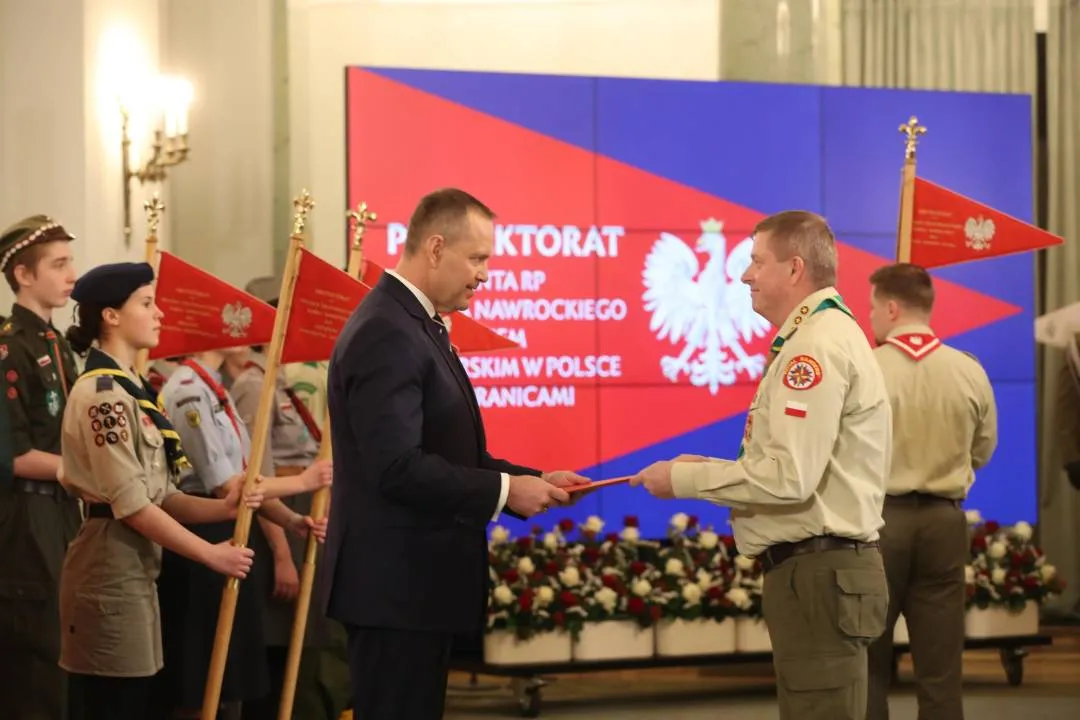
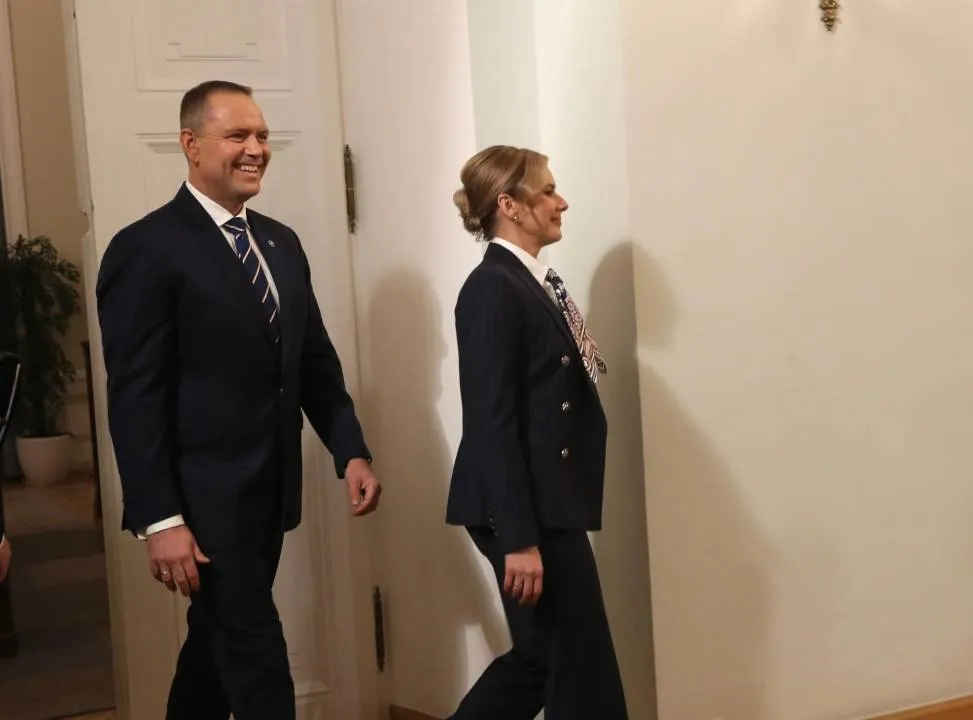
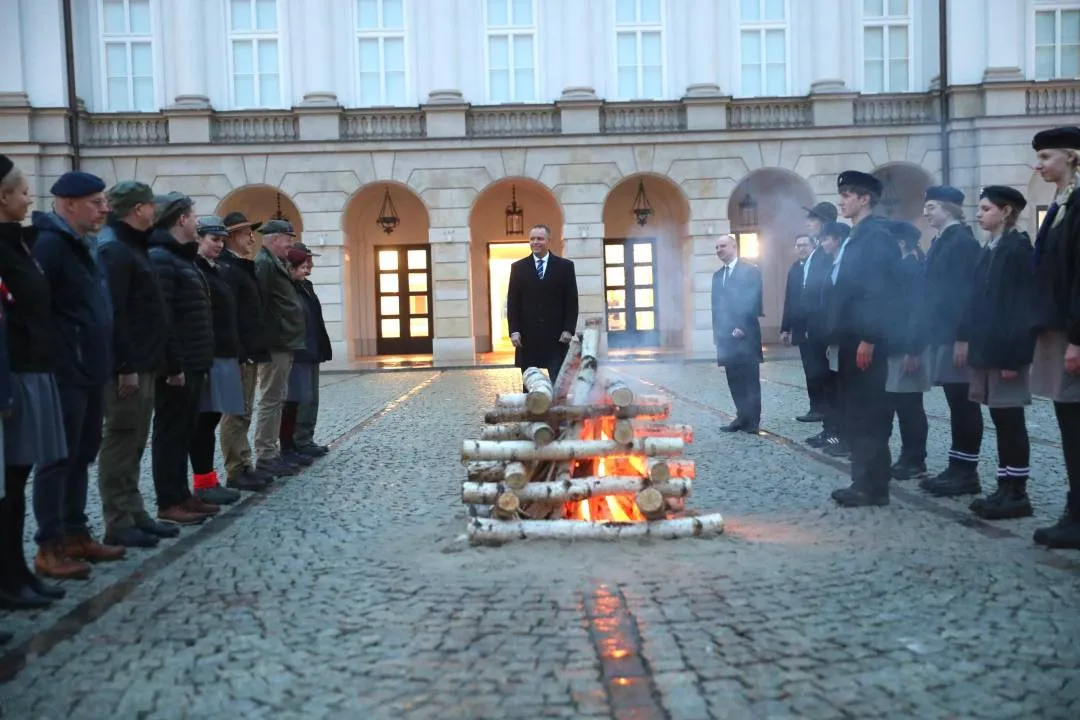
President Assumes Honorary Patronage over the Scouting Movement in Poland and Abroad
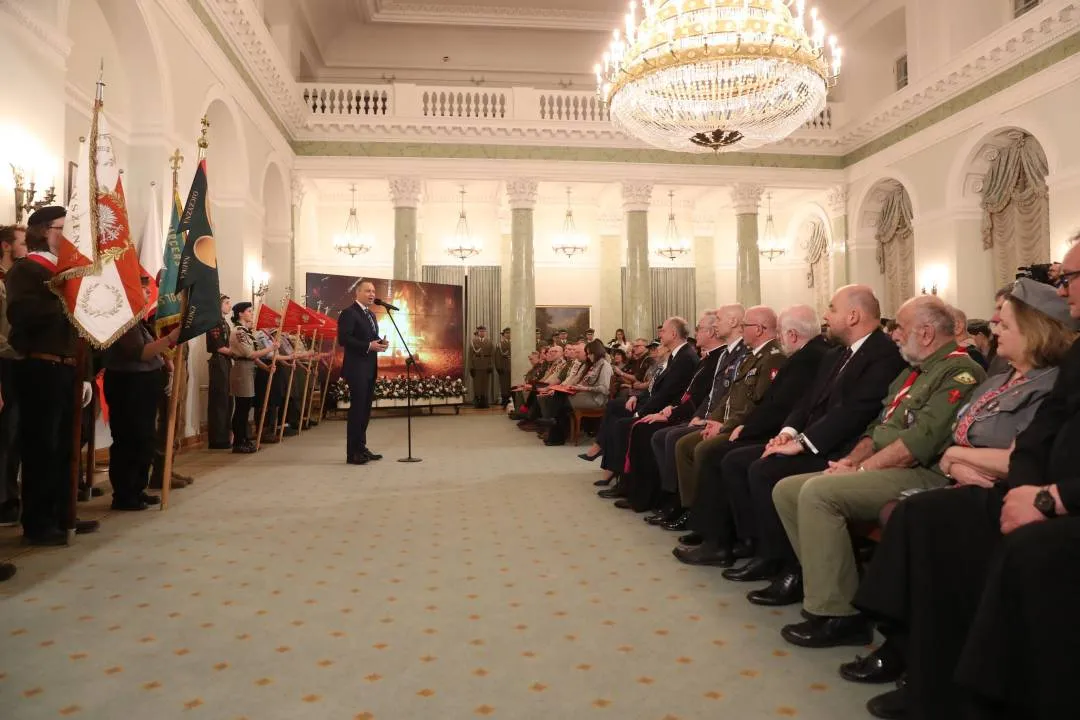
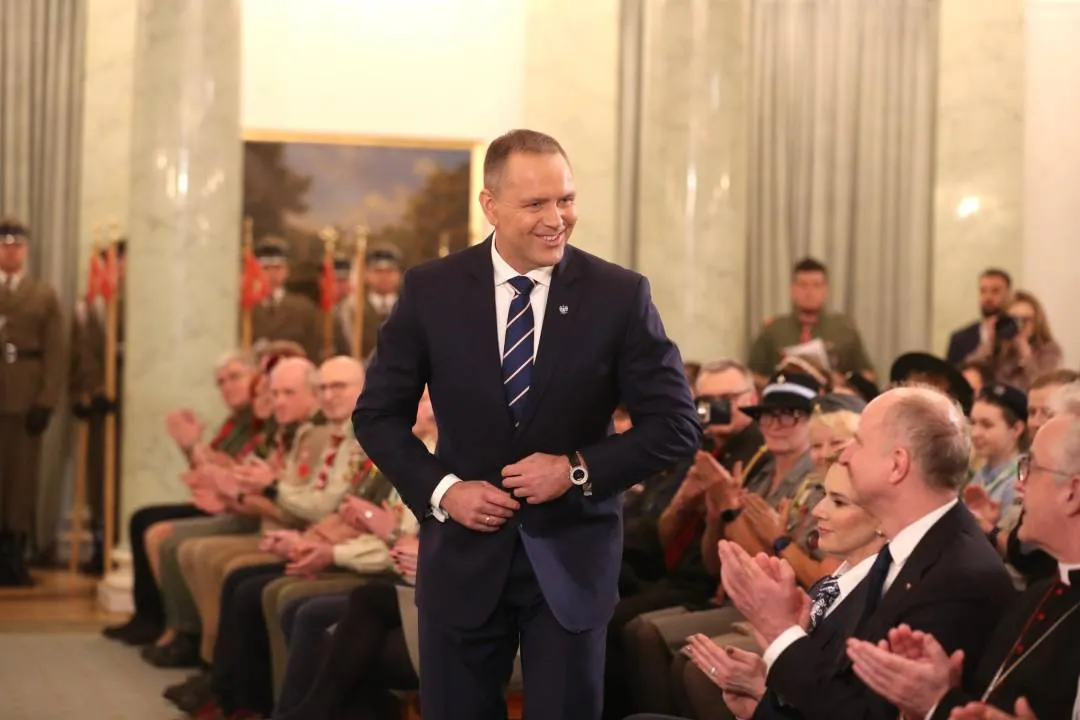
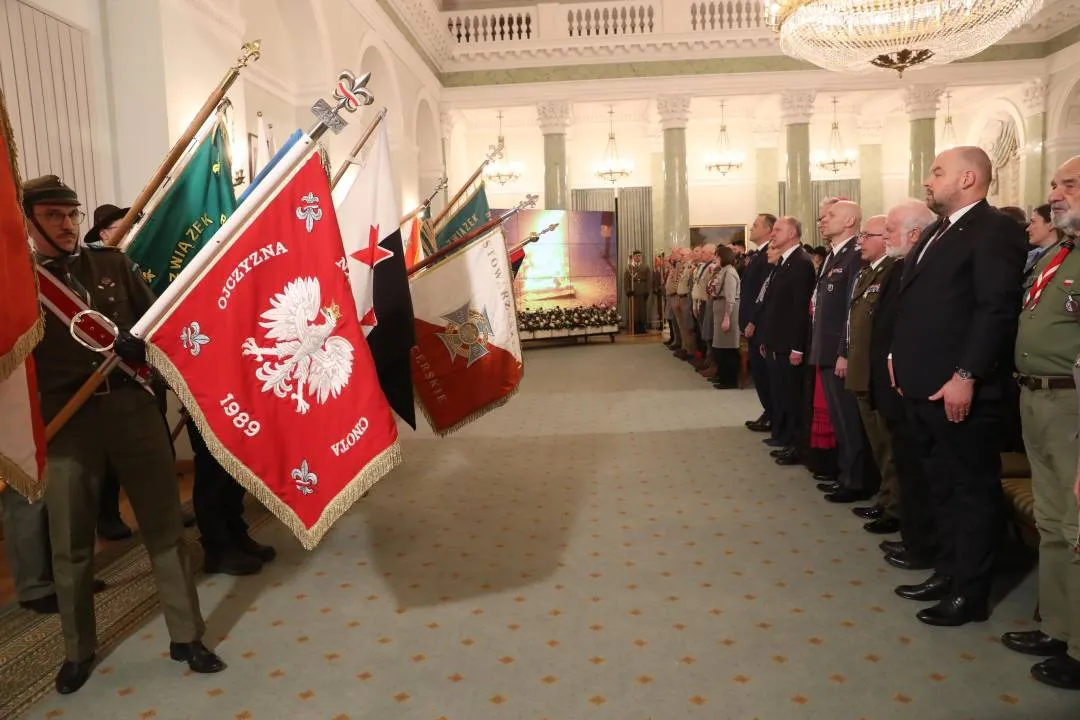
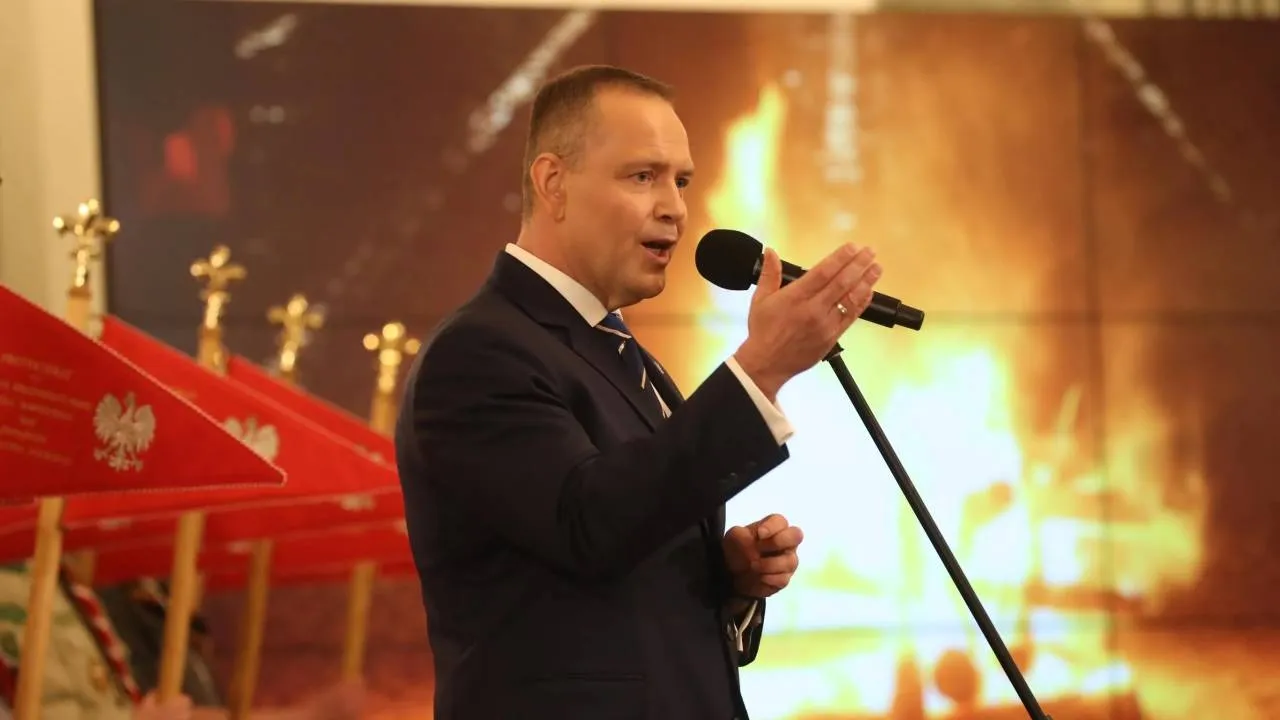
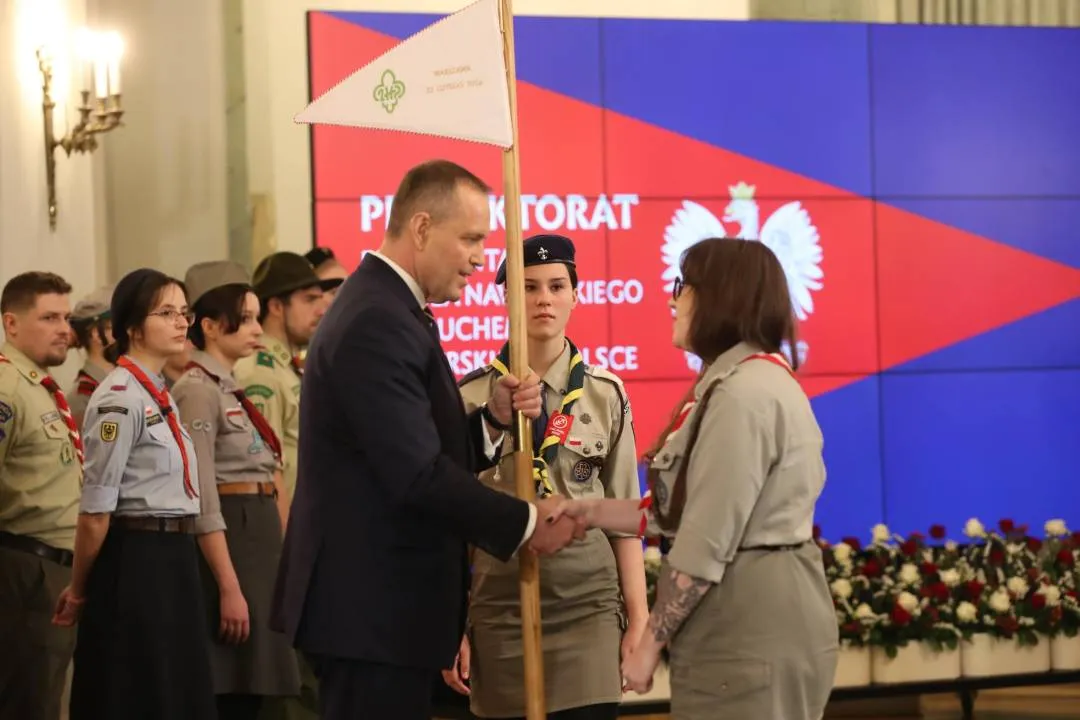
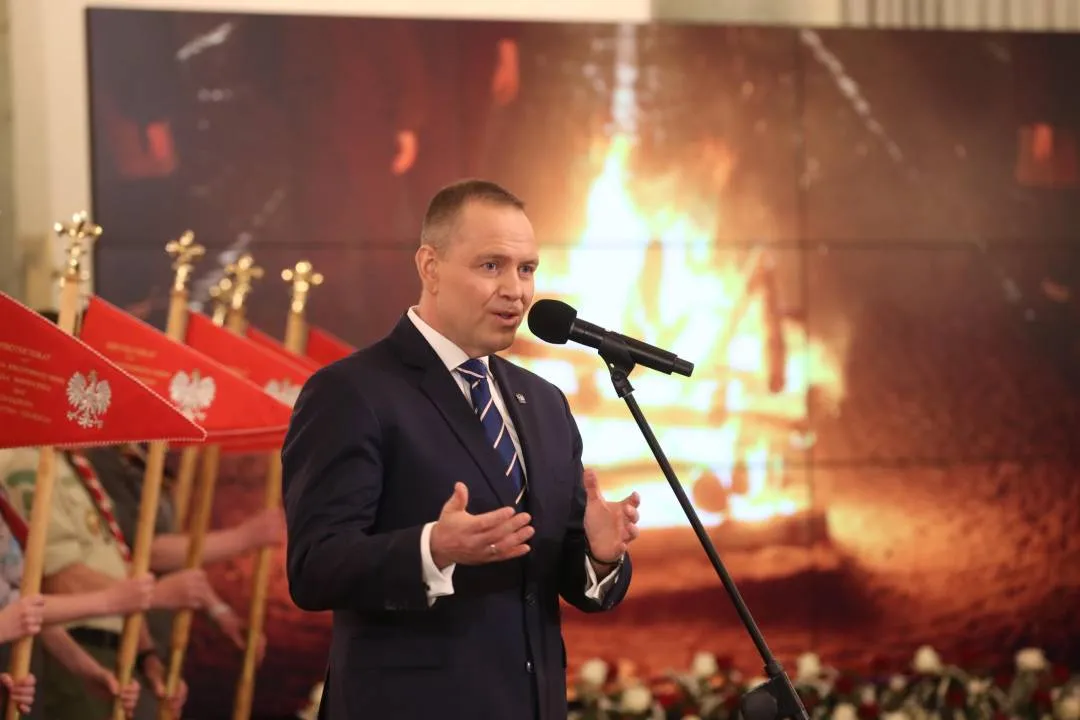
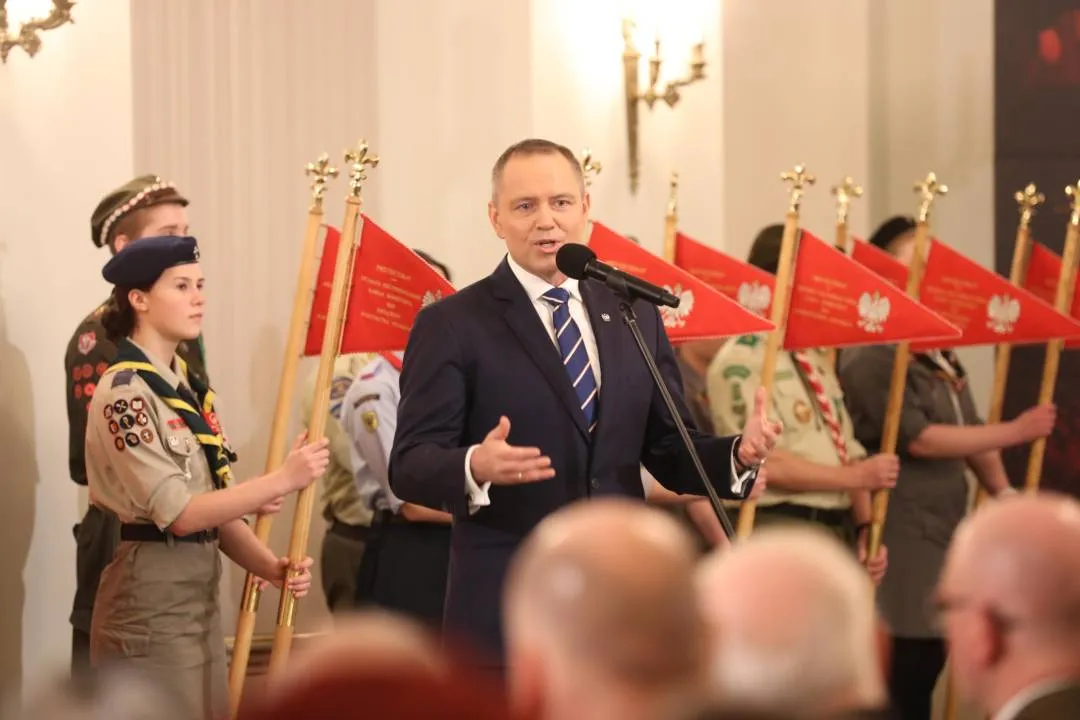
A ceremony was held today at the Presidential Palace during which President Karol Nawrocki assumed honorary patronage over the scouting movement in Poland and beyond its borders. The head of state addressed the scouts gathered at the event.
“World Thinking Day already has a century-long tradition. It is a great honor for me and a tremendous responsibility that I have the opportunity to place all scouting movements in Poland and around the world under my patronage on this exceptional day. World Thinking Day speaks about universal values – friendship, brotherhood, service to others. It carries a deep educational and formative dimension. Yes, all these values transcend the borders of nation states and continents. That is why I am especially pleased that representatives of the scouting movement from across the globe are with us here at the Presidential Palace in Poland,” the president said.
Nawrocki emphasized that he wished to take this moment “to say that alongside the universal values that form the foundation of today’s celebration, in Poland scouting has for over 100 years been inseparably linked with patriotism and the path to Polish independence.”
“Polish scouting has in fact lived through Polish history over the past more than 100 years in parallel with the free Republic of Poland. Since 1910, when it was founded, and throughout the following decades and the entire century. In Poland, scouting has meant on the one hand the road to independence, and on the other the stewardship of Polish independence and freedom. As you know very well, it was no coincidence that in 1913 in Birmingham, at an international rally, the Polish scout troop bore the crowned White Eagle on its banner, clearly wishing to declare in that international environment that Poland has a beautiful royal tradition and that the Eagle would rise toward independence,” he recalled.
He added that “it is symbolic that just three years after the founding of Polish scouting, the movement became linked with the idea of a free and independent Poland, even though it did not yet exist at that time – it was no coincidence that Andrzej Małkowski had been a soldier of the Polish Legions since 1914 and, like other scouts, followed the path to Polish independence until 1918.”
“Marshal Józef Piłsudski in December 1920 at the Belweder Palace, while assuming patronage over scouting in the reborn Republic, thanked the scouts for following the road to independence and emphasized that thanks also to the scouting tradition Poland regained its independence in 1918. Scouting is deeply rooted in the Polish independence movement and in the current of a sovereign Poland. In the Second Polish Republic, those shaped by the scouting ethos helped rebuild it and prepared themselves for what was difficult to foresee – the year 1939 and the outbreak of the Second World War. The scouting ethos formed an entire generation of Poles who never, even in extreme conditions, agreed to surrender freedom, sovereignty, or independence,” he stated.
President Nawrocki also said that “as the former director of the Museum of the Second World War and president of the Institute of National Remembrance, in this context I thank you, contemporary scouts, for remembering Jan Ożdżyński, who was one of the first victims of the Second World War.”
“I believe that during my term as president we will manage together to build a monument in Poland to this great scout. During the Second World War, the Polish scouting movement wrote a beautiful chapter in the tradition of Polish independence. Scouts were part of the largest underground army in the world. They fought in the Warsaw Uprising, and in 1945 none other than Wincenty Frelichowski became a symbol of the martyrdom of the Polish clergy in Dachau, but also of the readiness to serve God and the homeland within the scouting movement. You endured until 1989, which brought entirely new opportunities. The patronages of successive Presidents of the Republic of Poland and that exceptional year of 2008, when President Lech Kaczyński assumed patronage over all scouting organizations,” he declared.
In conclusion, the president indicated that assuming honorary patronage over the scouting movement in Poland and abroad is for him “a tremendous honor and a great responsibility.”
“I will be a very active patron. I know the great task that stands before you today. Be Prepared!” he concluded.
World Thinking Day
World Thinking Day is a celebration of friendship observed by scouts around the world on February 22, the anniversary of the birth of scouting founder Robert Baden-Powell. Its main message is to emphasize the bonds among scouts worldwide, regardless of national, ethnic, religious, political differences, or age.
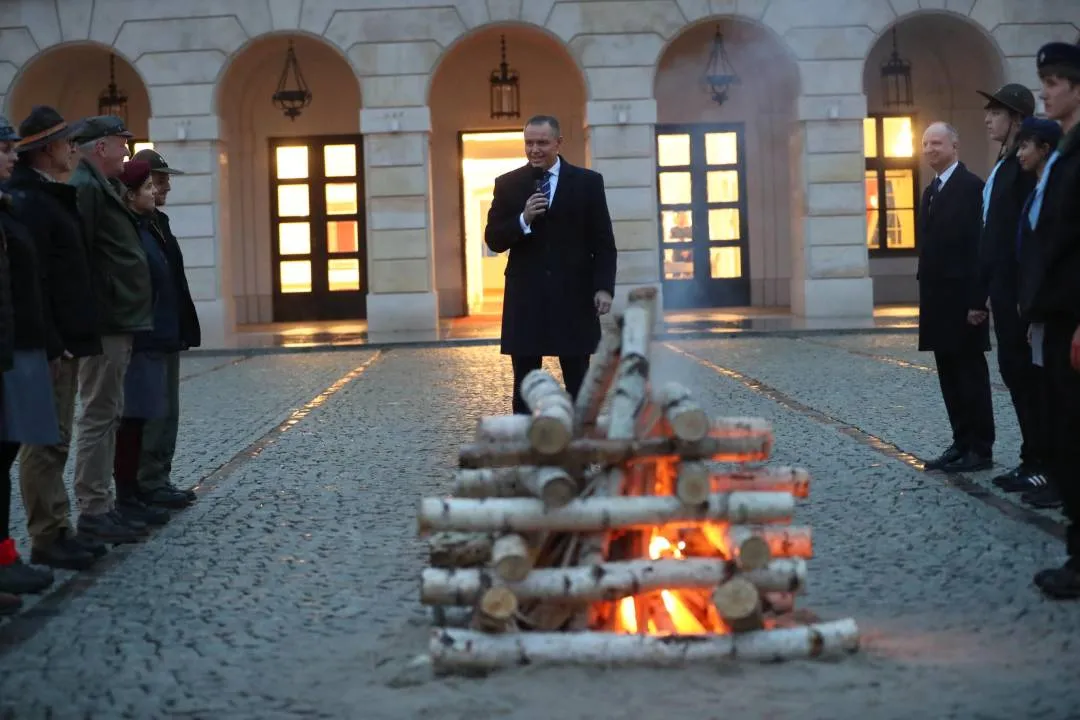
On this occasion, scouts organize campfires, outdoor games, and exchange greeting cards. It is also an opportunity to hold fundraising initiatives for scouting or charitable activities. The symbol of scouting values is the campfire traditionally lit each year by the President of the Republic of Poland.